Italian Spaghetti Squash: The Pasta Impersonator You’ll Actually Love
Spaghetti squash is nature’s greatest trickster—it looks like a gourd, shreds like pasta, and tastes like… well, whatever you want it to. If you haven’t tried this veggie wizard yet, buckle up. We’re diving into why Italian spaghetti squash deserves a permanent spot in your kitchen (and how to make it actually taste good).
What Even Is Spaghetti Squash?
Let’s start with the basics. Spaghetti squash is a winter squash that, when cooked, transforms into noodle-like strands. Unlike its carb-heavy counterpart, it’s low-calorie, gluten-free, and packed with nutrients like vitamin C and fiber.
The “Italian” Twist
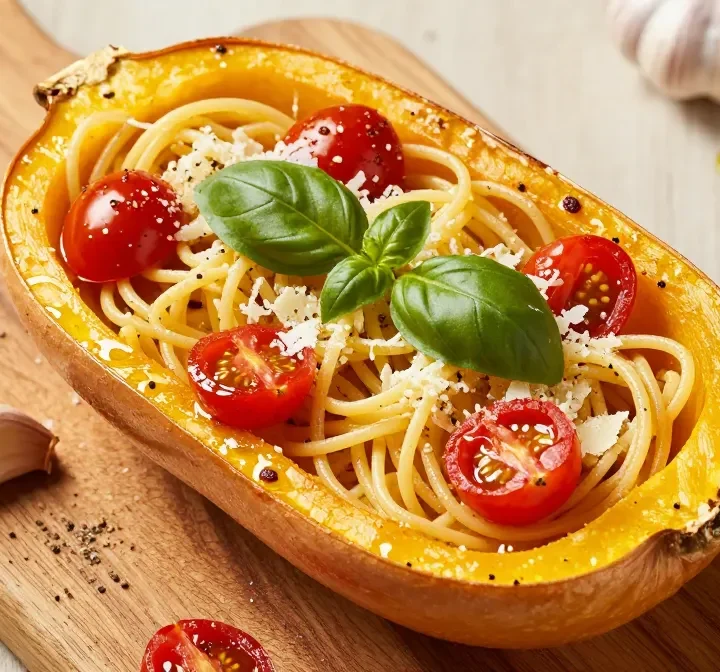
The “Italian” label usually means it’s pre-seasoned or paired with classic Mediterranean flavors—think garlic, basil, tomatoes, and Parmesan. But here’s the truth: any spaghetti squash can be “Italian” if you dress it right.
How to Pick the Perfect One
- Look for firm, yellow squash with no soft spots.
- Smaller squash (2-3 lbs) tend to be sweeter and less watery.
- Avoid ones with green streaks—they’re underripe.
How to Cook It (Without Turning It to Mush)
Roasting is the MVP method. Here’s the foolproof breakdown:
1. Halve it (carefully—this thing fights back).
2. Scoop the seeds (save them for roasting later, FYI).
3. Drizzle with olive oil, salt, and pepper.
4. Roast face-down at 400°F for 30-40 minutes.
Pro tip: Don’t boil it. You’ll end up with soggy, sad strands.
Air Fryer Hack
Cut into rings, toss in oil, and air fry at 375°F for 15 minutes. Faster, crispier, and less wrestling with a knife.
Top 3 Ways to Serve It (That Aren’t Boring)
1. Classic Italian Aglio e Olio
Sauté garlic in olive oil, toss with squash strands, add red pepper flakes, and finish with parsley and Parmesan. Simple? Yes. Basic? Never.
2. Meatball Stuffer
Swap pasta for spaghetti squash in your next meatball sub. It’s a veggie-packed power move.
3. Cheesy Bake
Mix with marinara, mozzarella, and Italian herbs, then bake until bubbly. Comfort food without the carb coma.
Why It’s Better Than Actual Pasta (Sometimes)
Let’s be real—it’s not pasta. But here’s where it wins:
- Guilt-free seconds: 42 calories per cup vs. 200+ for pasta.
- No bloat: Gluten-sensitive folks, rejoice.
- Meal prep champ: Cook once, eat all week.
Downside? It’s not as hearty. Pair it with protein (chicken, shrimp, or lentils) to keep you full.
Common Mistakes to Avoid
- Overcooking: Mushy strands = no thanks.
- Skipping the salt: Season every layer (raw, cooked, and sauced).
- Using watery sauce: Opt for thick, reduced sauces to avoid a puddle.
FAQs
Does spaghetti squash taste like pasta?
Nope—it’s milder and slightly sweet. But it *absorbs* flavors like a champ, so sauce it up.
Can you eat it raw?
Technically yes, but why? Cooking unlocks the noodle magic.
How do you store leftovers?
In an airtight container for 3-4 days. Reheat in a skillet to revive texture.
Is it keto-friendly?
Yes! At ~7g net carbs per cup, it’s a keto staple.
Give It a Shot
Spaghetti squash won’t replace your fettuccine Alfredo addiction, but it’s a killer sidekick for lighter, veggie-packed meals. Roast it, sauce it, and thank us later.
Now go forth and trick your taste buds (in the best way).