Italy does food better than just about anyone, and mushrooms are no exception. Forget those bland white button mushrooms from your grocery store—Italian fungi are a whole different league. From earthy porcini to meaty ovoli, these mushrooms pack flavors that’ll make your taste buds throw a party. Let’s dive into the delicious, sometimes weird, world of Italian mushrooms.
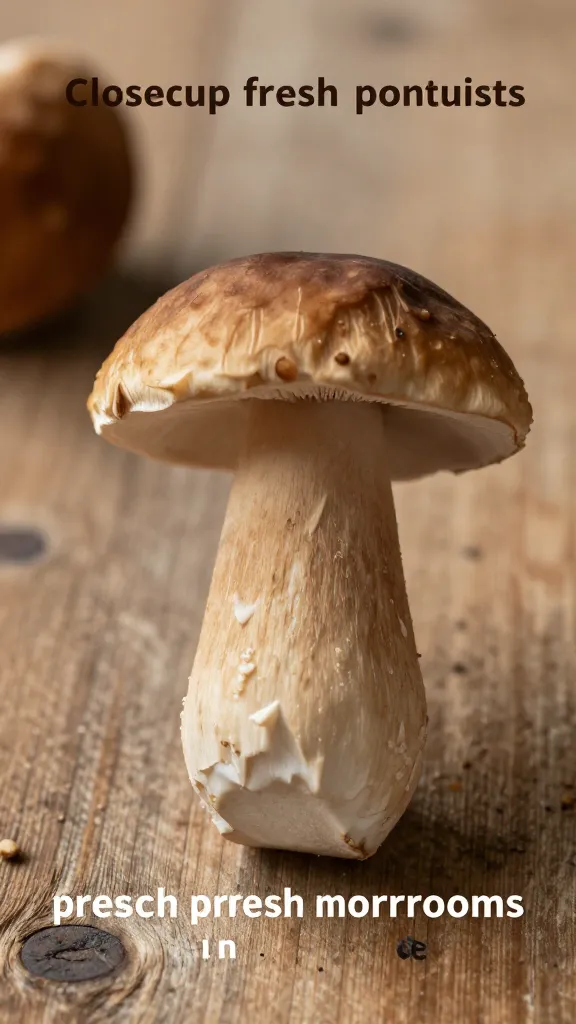
If Italian mushrooms had a royal family, porcini would sit on the throne. These meaty, nutty, earthy fungi show up in everything from risottos to pasta sauces, and for good reason—they taste like the forest distilled into food.
You’ll find them fresh in fall, but dried porcini work year-round (just soak them in warm water first). Pro tip: Save that soaking liquid—it’s basically umami gold for soups and sauces.
Northern Italy’s woods (especially Piedmont and Tuscany) are porcini heaven. Locals guard their secret foraging spots like nonnas guard their pasta recipes.
These look like something out of a fairy tale—round, white, and hiding a bright orange secret inside. Slice one open, and boom: it’s like a mushroom version of a yolk.
Ovoli (Amanita caesarea) taste buttery and delicate, often served raw in salads or lightly grilled. FYI, they’re pricey—like, "sell a kidney" pricey—but totally worth it for a special treat.
Don’t let their skinny stems fool you—these "little nails" pack a punch. Chiodini grow in clusters and have a slightly bitter, peppery kick. Italians usually pickle or cook them forever (raw ones can be toxic—no thanks).
They’re superstars in:
Bright yellow, trumpet-shaped, and smelling faintly of apricots, finferli are the hipsters of the mushroom world. They’re wild, hard to cultivate, and have a fanbase that borders on obsessive.
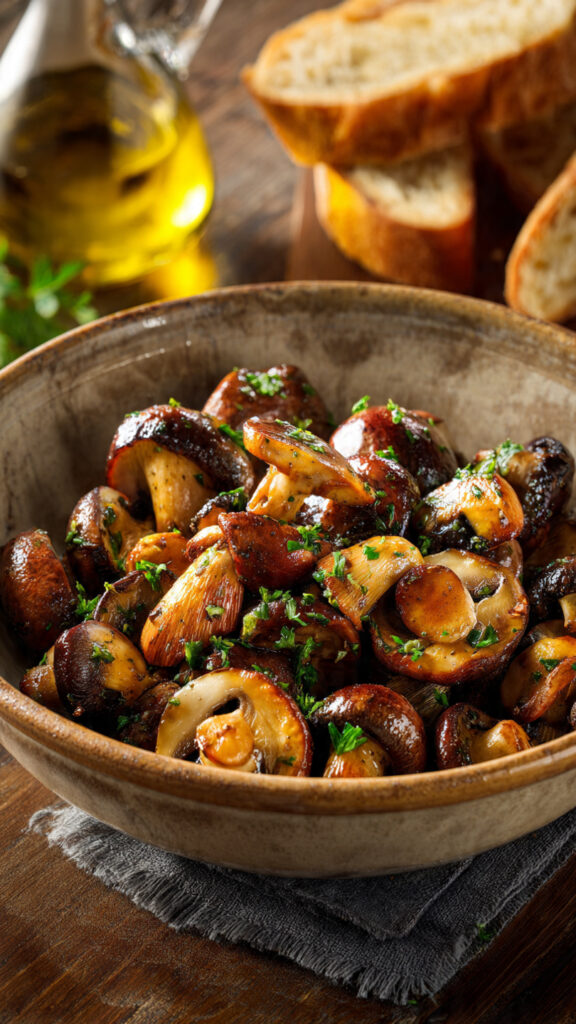
Their flavor? Fruity, peppery, and nothing like your average shroom. Try them sautéed with garlic and parsley over toast—you’ll understand the hype.
Okay, fine, *technically* not mushrooms (they’re tubers), but no Italian fungi roundup is complete without them. Truffles are the divas of the food world—expensive, pungent, and impossible to ignore.
Fun fact: Truffle hunters use pigs or dogs to sniff them out. The pigs? Cute but problematic—they try to eat the finds.
Italians have a few golden rules for mushrooms:
Unless you’re a mushroom-identifying ninja, no. Some lookalikes are deadly. Stick to trusted foragers or markets—Italy takes mushroom safety seriously.
Most are foraged (labor-intensive) and seasonal. Truffles? They’re basically the Rolexes of fungi—rare and in demand.
You *can*, but expect sad, flavorless results. Dried porcini make a better budget swap.
Paper bag in the fridge, no washing until use. Plastic bags turn them into slime—gross.
Only certain types (like ovoli). Most need cooking to avoid digestive mutiny.
Specialty stores or online importers. Expect to pay extra—shipping fragile fungi ain’t cheap.
Italian mushrooms aren’t just ingredients—they’re cultural icons. Whether it’s porcini in your risotto or truffle shavings on your eggs, these fungi prove Italy’s magic touches even the humblest foods. So next time you see them on a menu, order first, ask questions later. Your taste buds will thank you.